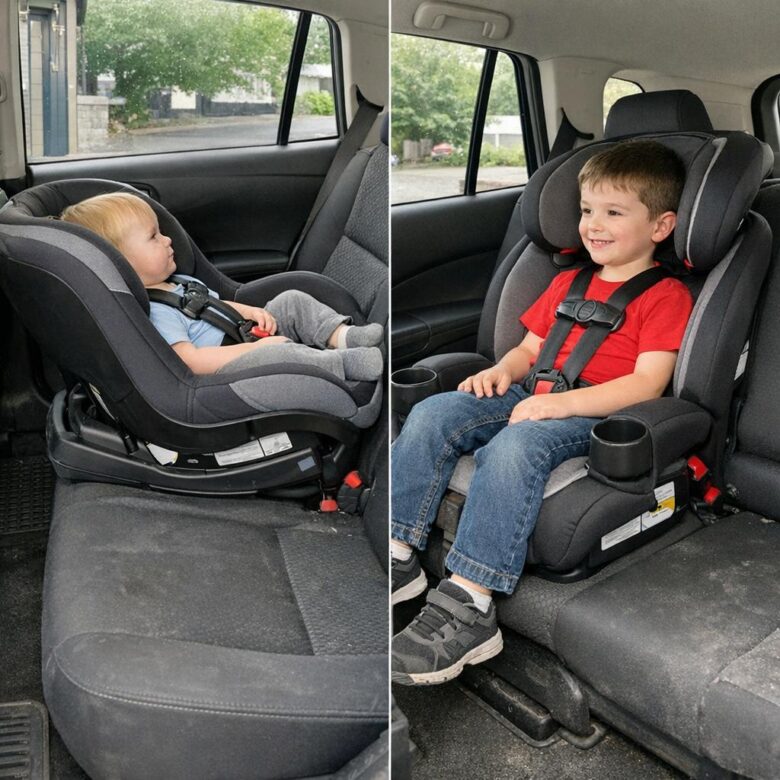
Rear-facing isn’t just for infants. It better supports the head, neck, and spine in a crash; children should stay rear-facing until the seat’s height or weight limit.
Month: May 2026
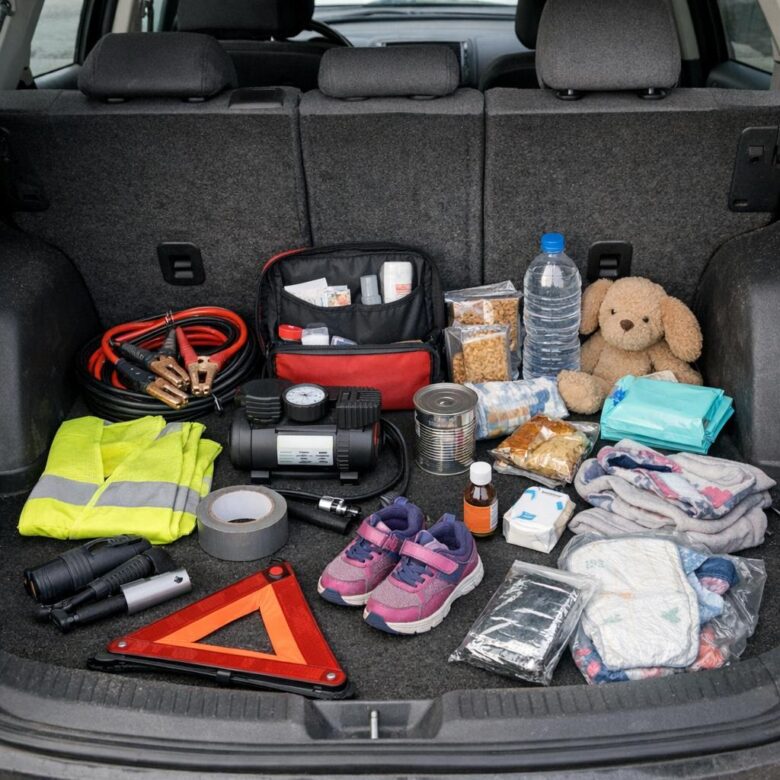
Often forgotten: pack child-safe meds, ID copies, a power bank, water, snacks, wipes, blankets, and a flashlight-then check sizes and expiry dates each season.
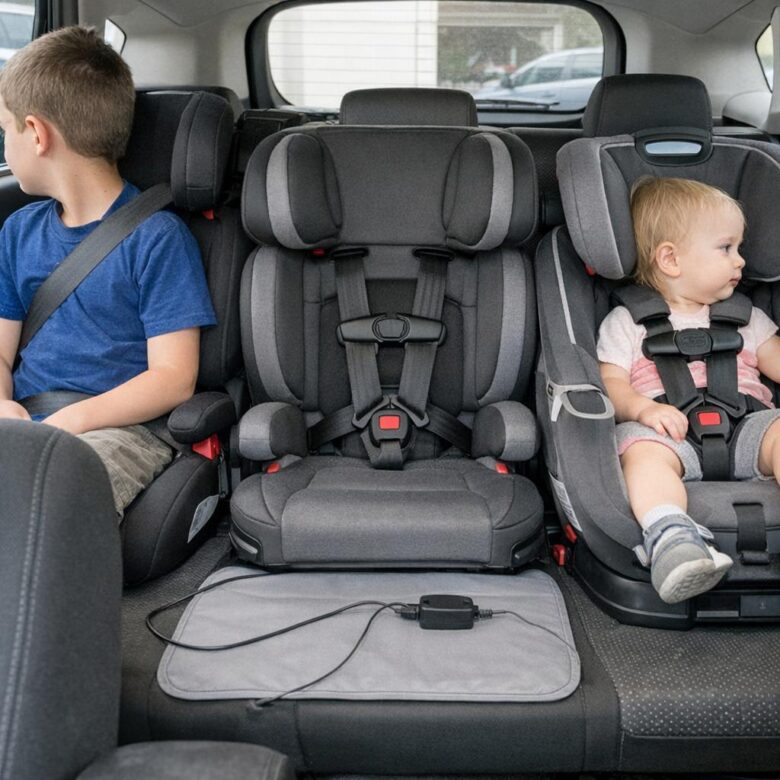
2026 backseat safety rules are tightening as crash data highlights risks for children and rear passengers, prompting updated guidance on restraints, belts, and age-appropriate seating.
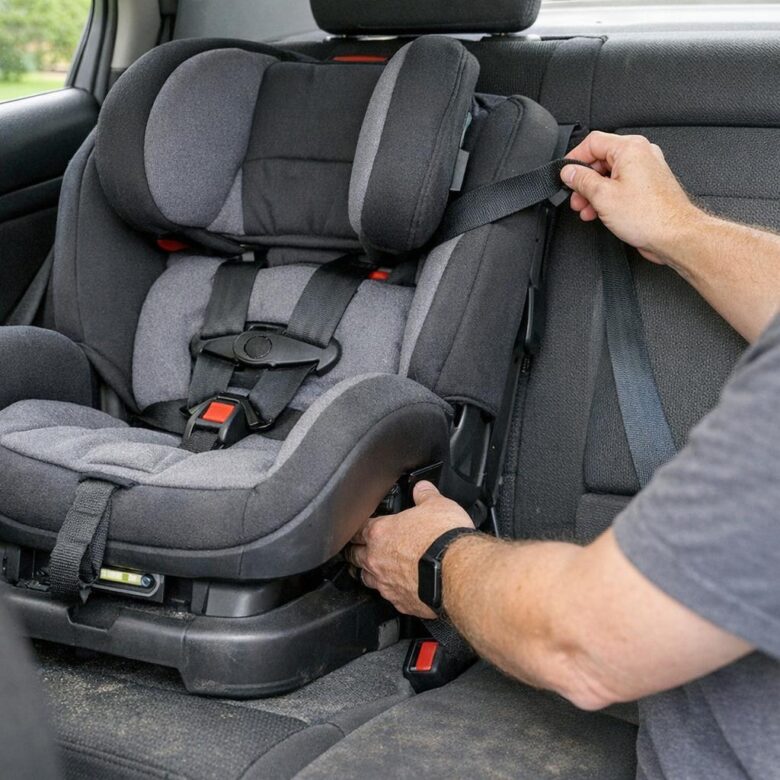
Check the basics: the seat should move less than 1 inch at the belt path, match the recline indicator, and secure the harness snugly at armpit level.
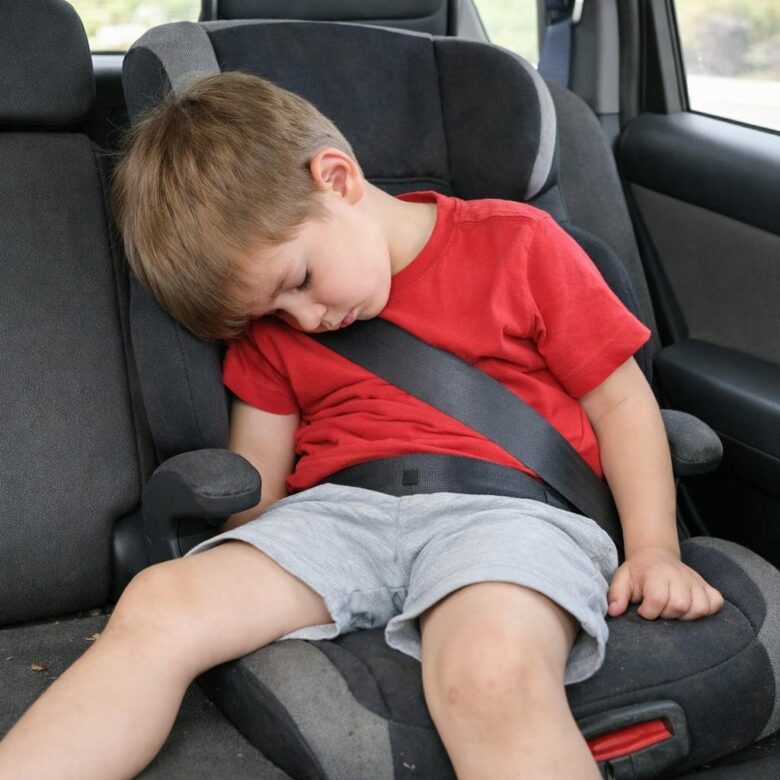
Improper car sleeping can let a child’s head slump forward, narrowing the airway. Loose straps or angled seats raise suffocation and injury risks, even on short trips.