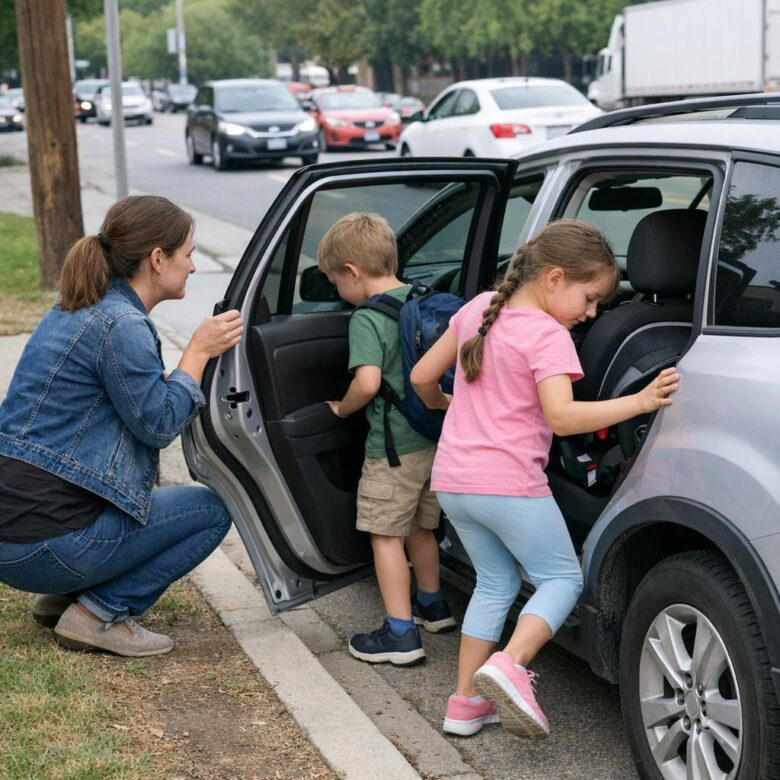
Safe practice: Children should enter and exit on the curbside only. An adult should open the door, check for cyclists and traffic, and guide them directly to the sidewalk.
Month: May 2026
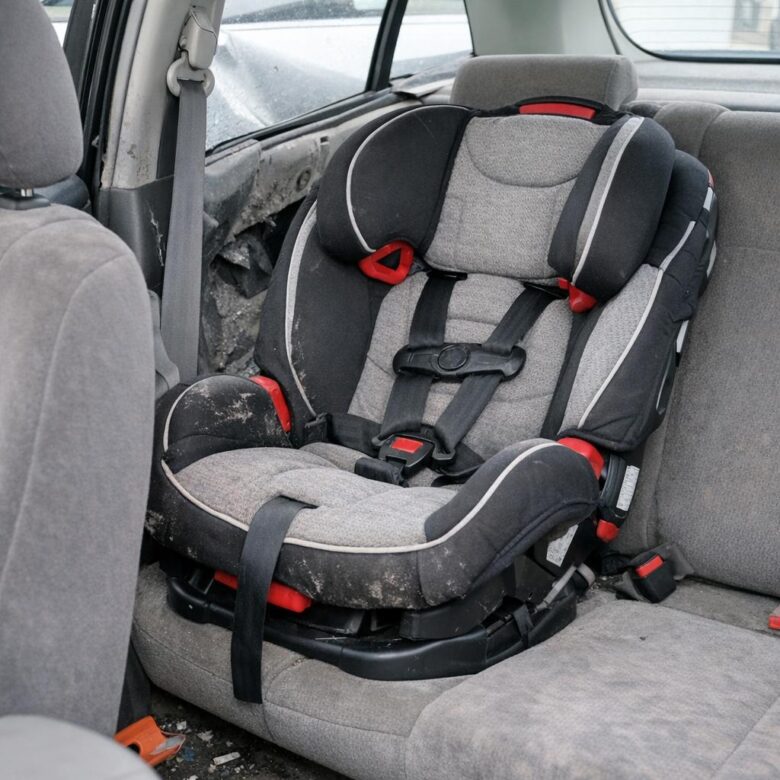
Even a minor crash can stress hidden parts of a child car seat. Microcracks, stretched webbing, or weakened latches may reduce protection, so follow replacement guidance.
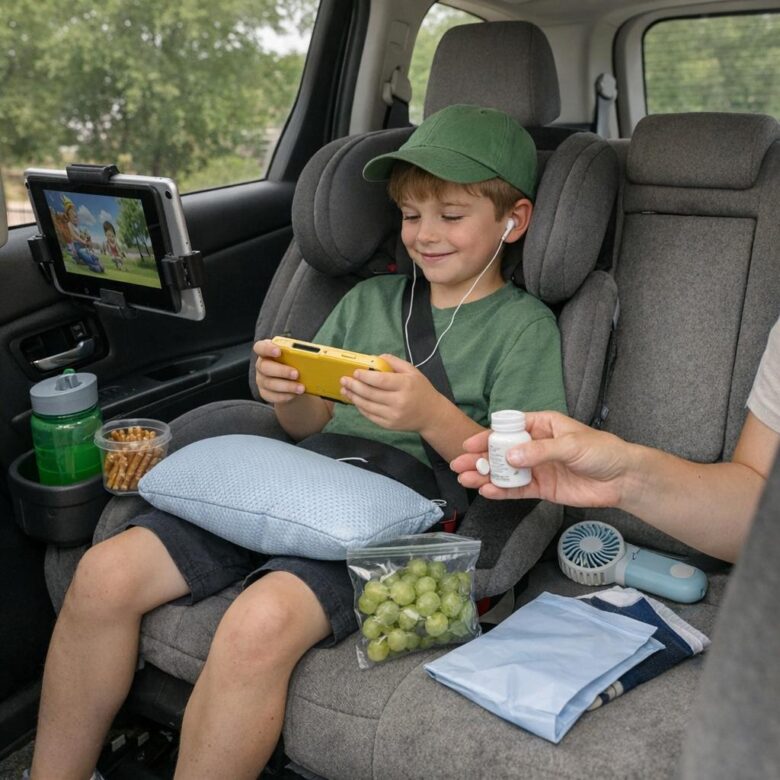
Prevent motion sickness in kids by seating them where they can see the road, offering light snacks, encouraging fresh air, and scheduling breaks. Avoid screens and heavy meals before long drives.
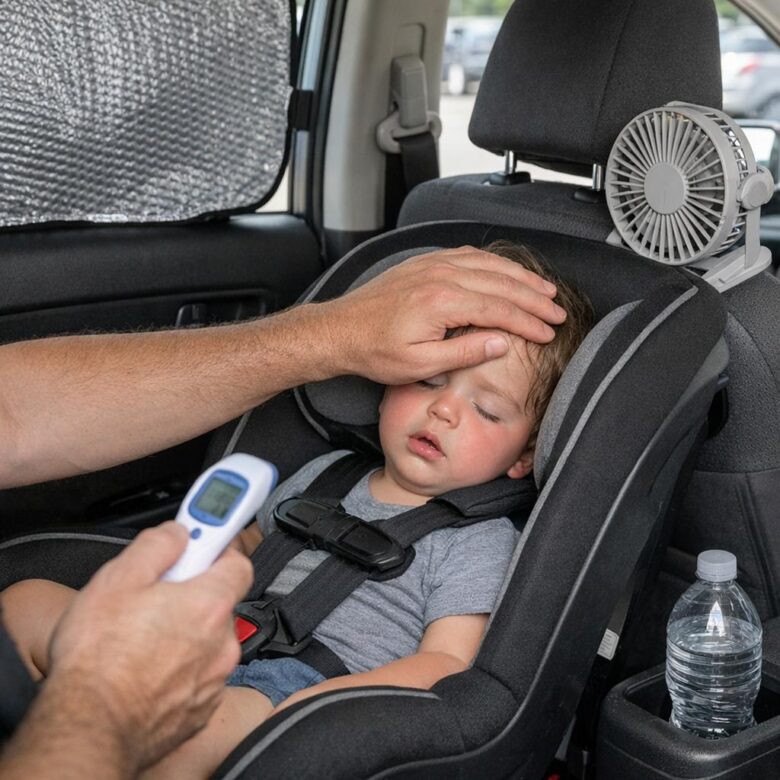
Never leave a child in a parked car, even briefly. Check the back seat before locking, keep keys out of reach, and call 911 if a child is trapped or overheated.
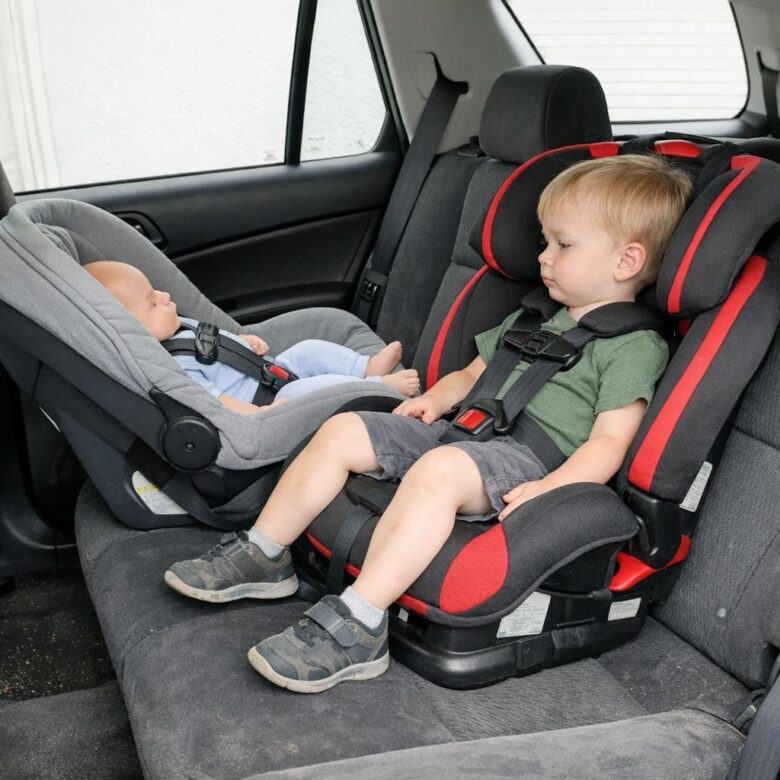
2026 update: Parents still go forward-facing too soon or choose poor angles. Use the rear center when it installs tightly, and keep harness straps snug at every ride.
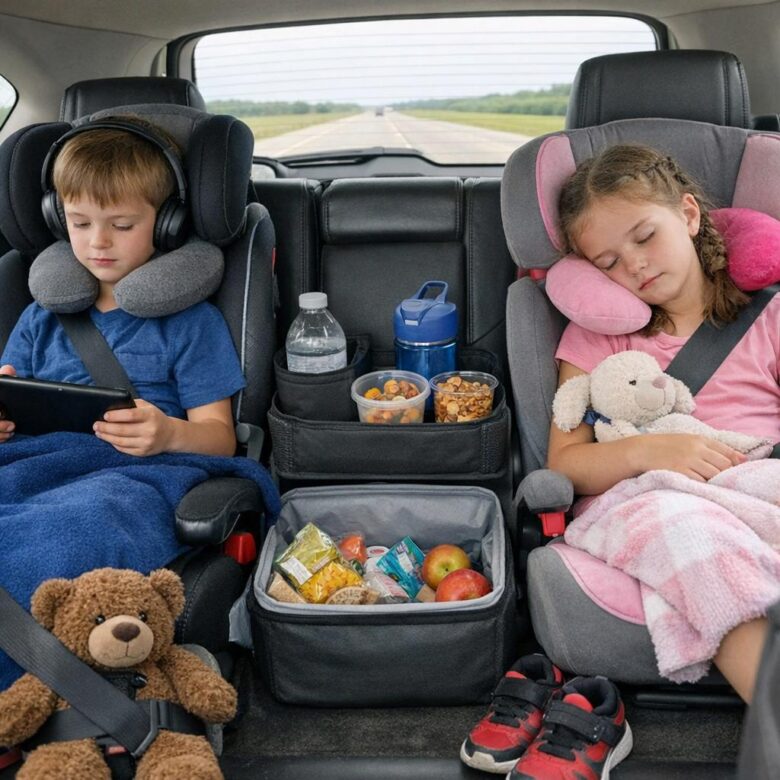
Plan ahead: secure car seats properly, schedule breaks every 2-3 hours, keep water and healthy snacks handy, and pack comfort items to help kids stay safe, calm, and rested.
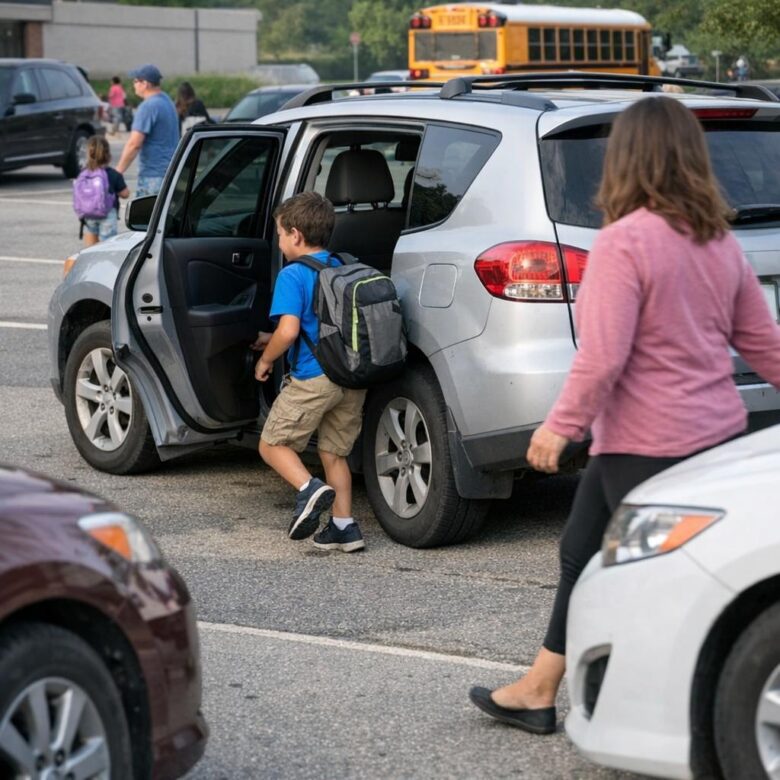
Rushed drop-offs, double parking, mid-lane exits, and ignored crosswalks create blind spots and sudden stops-common triggers for school parking lot accidents.
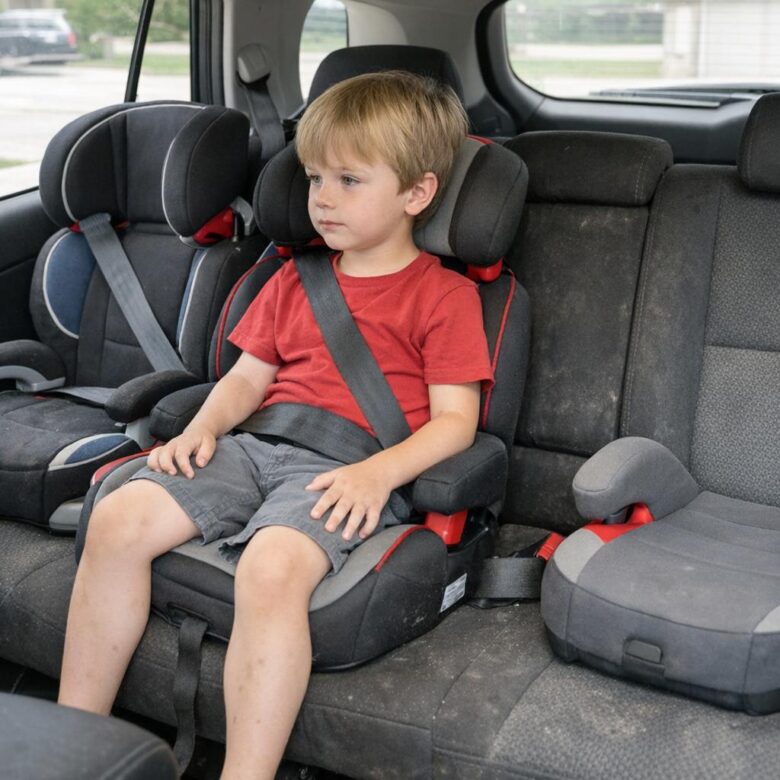
Booster seat mistakes-loose belts, early graduation, and poor lap-shoulder fit-can leave a child’s head, neck, and abdomen vulnerable in a crash.
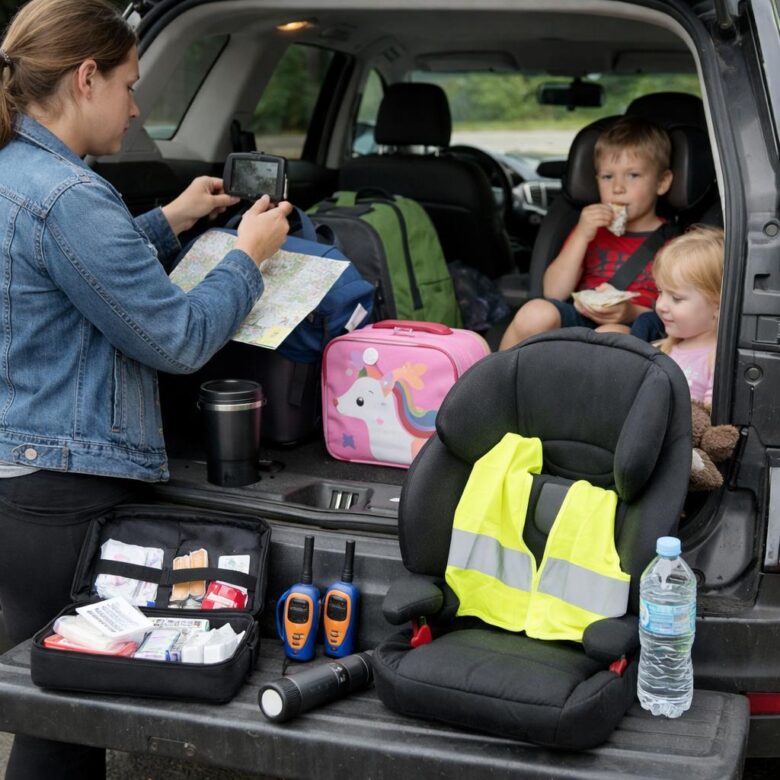
Plan ahead: share your route, schedule breaks, keep snacks, water, first-aid kit, and child IDs within reach, and lock doors before every stop.
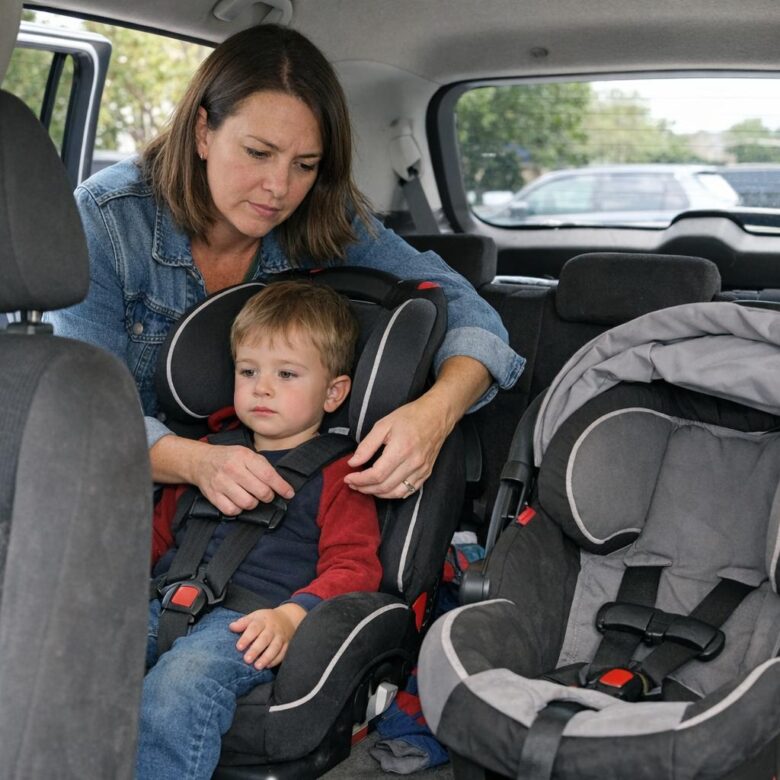
Child passenger laws often hinge on age, weight, height, and seat position-not just birthdays. Misreading booster and rear-facing rules can expose families to fines and avoidable injury.