
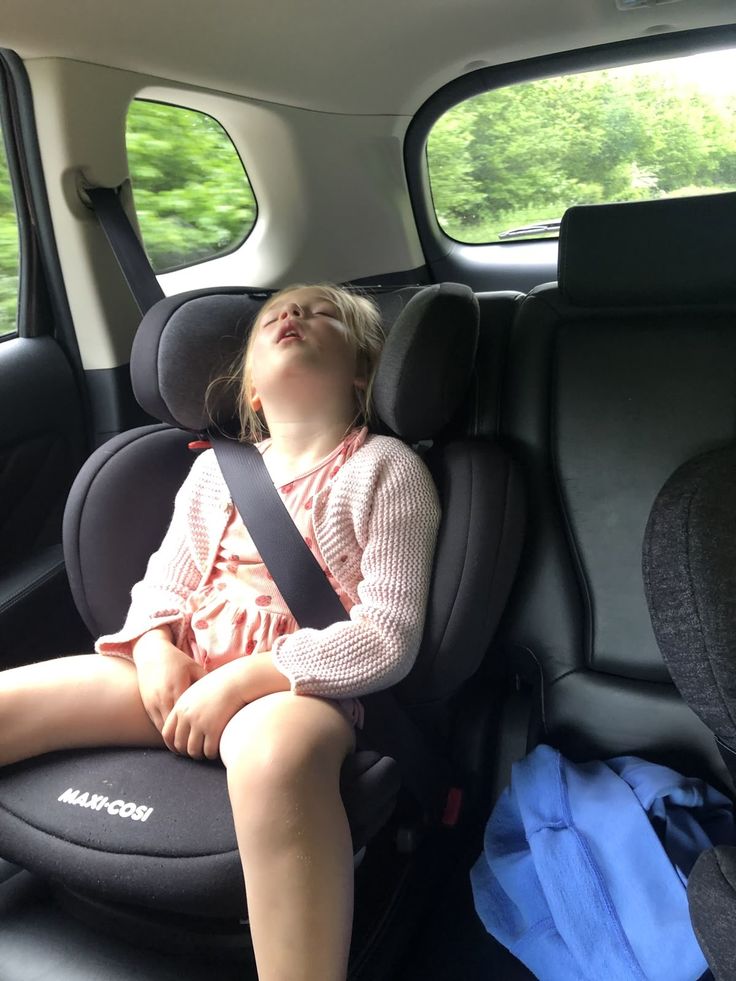
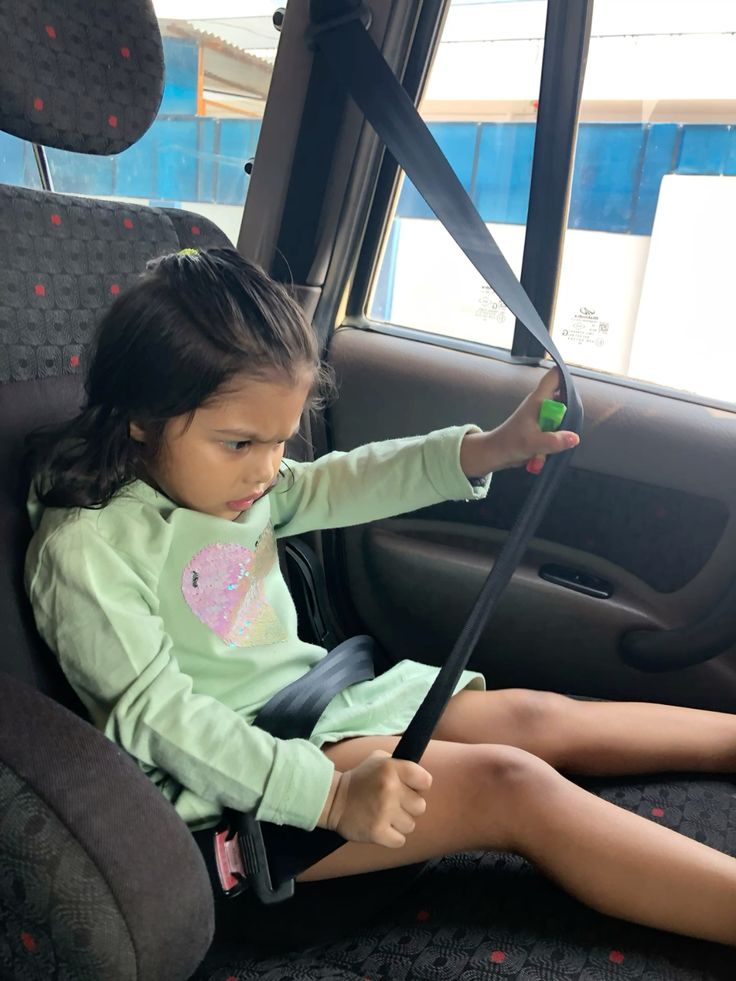
Booster seat mistakes-loose belts, early graduation, and poor lap-shoulder fit-can leave a child’s head, neck, and abdomen vulnerable in a crash.
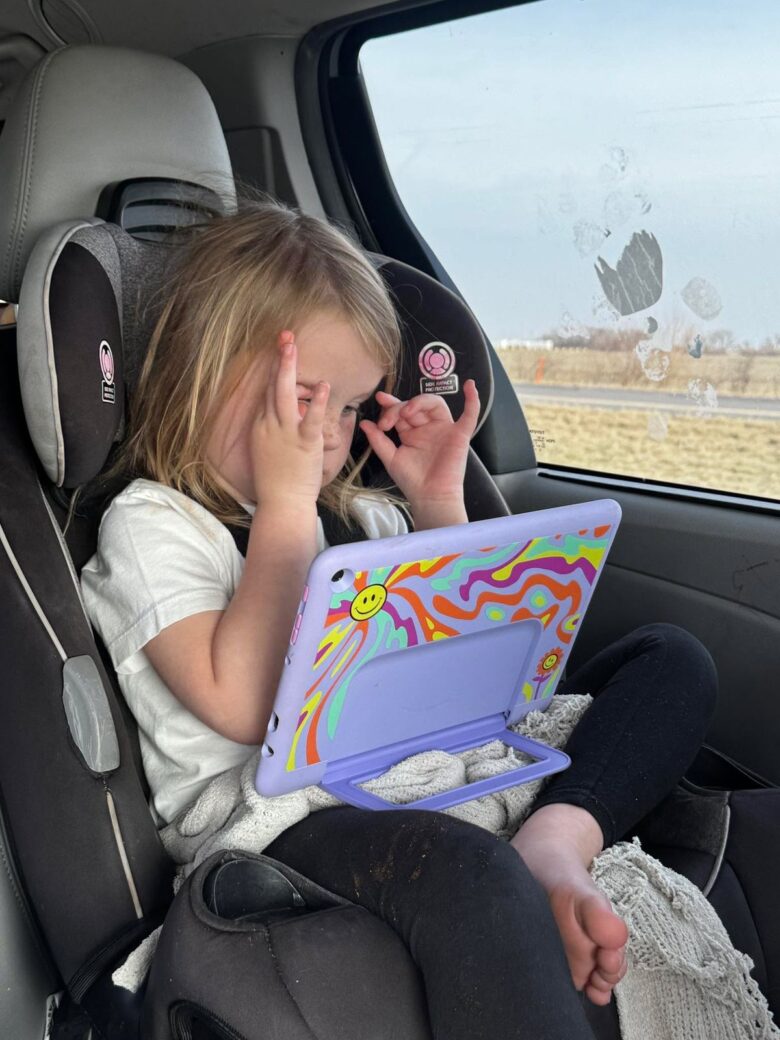
Booster seat mistakes-loose belts, early graduation, and poor lap-shoulder fit-can leave a child’s head, neck, and abdomen vulnerable in a crash.
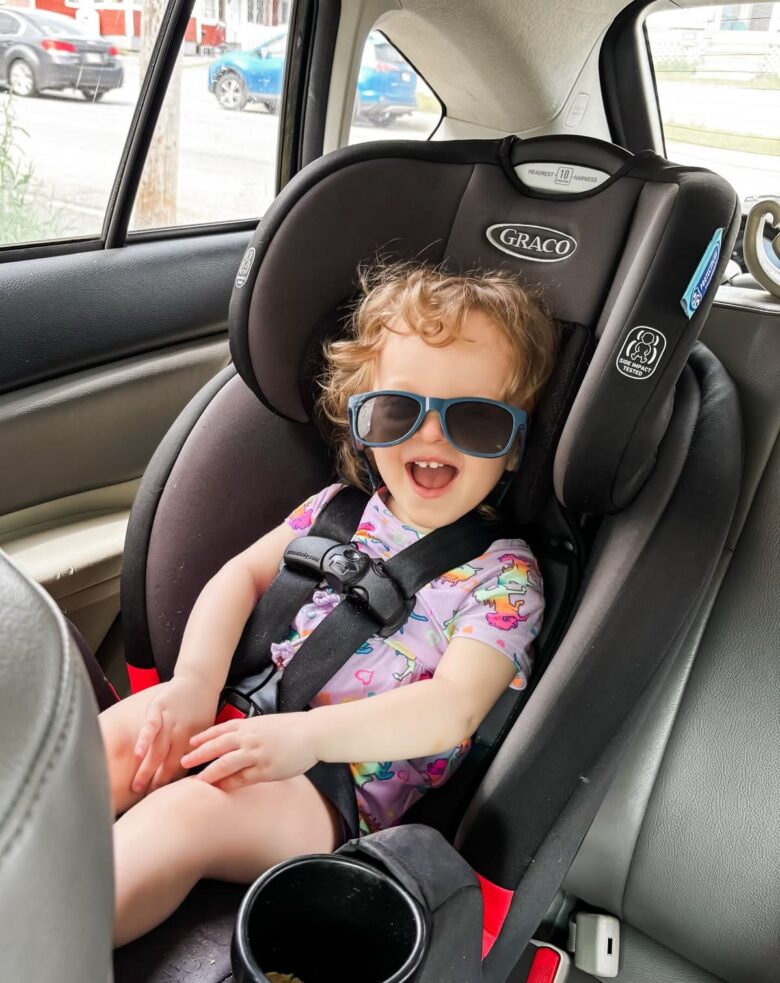
Rear-facing isn’t just for infants. It better supports the head, neck, and spine in a crash; children should stay rear-facing until the seat’s height or weight limit.
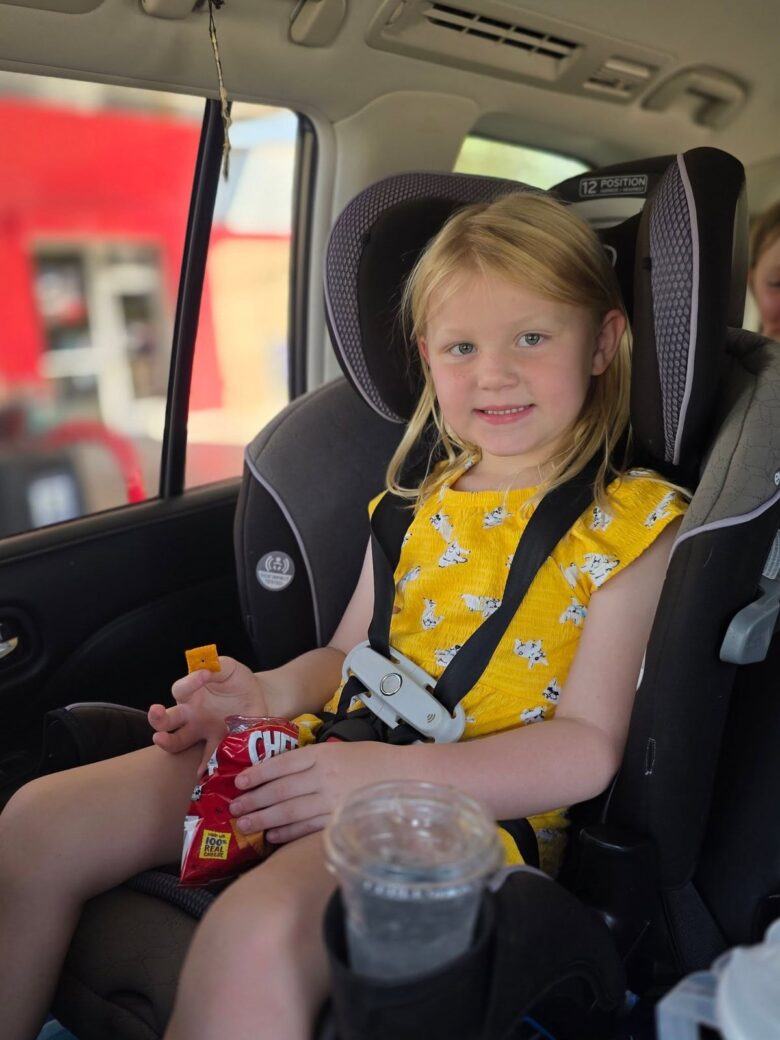
Check the basics: the seat should move less than 1 inch at the belt path, match the recline indicator, and secure the harness snugly at armpit level.
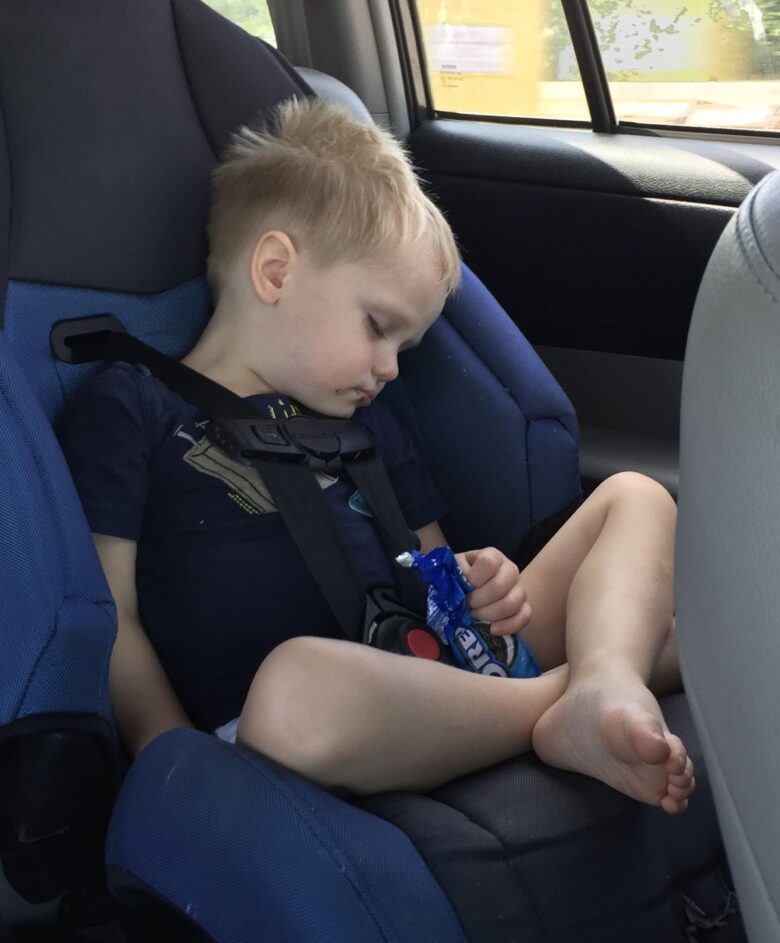
2026 update: Parents still go forward-facing too soon or choose poor angles. Use the rear center when it installs tightly, and keep harness straps snug at every ride.
Safe practice: Children should enter and exit on the curbside only. An adult should open the door, check for cyclists and traffic, and guide them directly to the sidewalk.
Never leave a child in a parked car, even briefly. Check the back seat before locking, keep keys out of reach, and call 911 if a child is trapped or overheated.