
Child passenger laws often hinge on age, weight, height, and seat position-not just birthdays. Misreading booster and rear-facing rules can expose families to fines and avoidable injury.
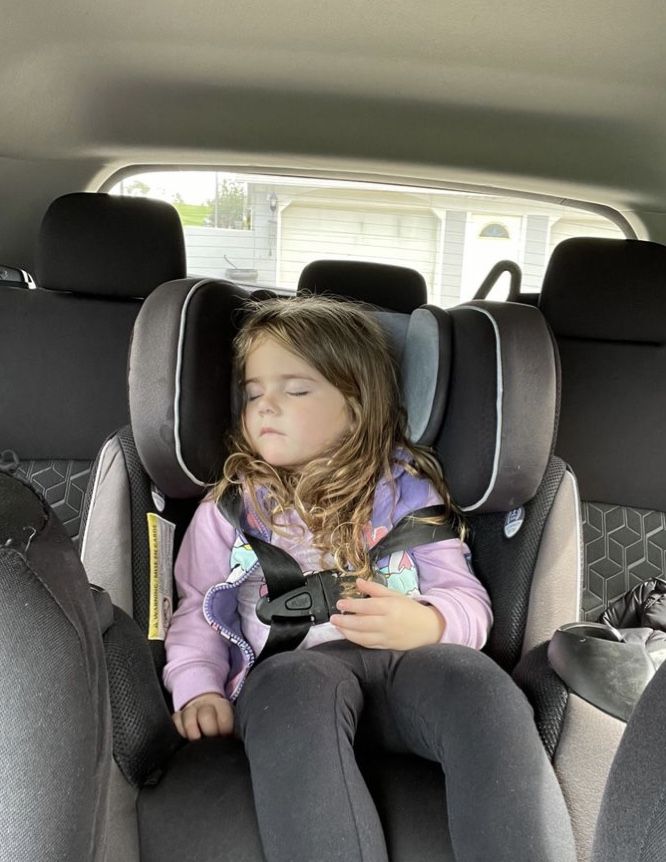
Child passenger laws often hinge on age, weight, height, and seat position-not just birthdays. Misreading booster and rear-facing rules can expose families to fines and avoidable injury.
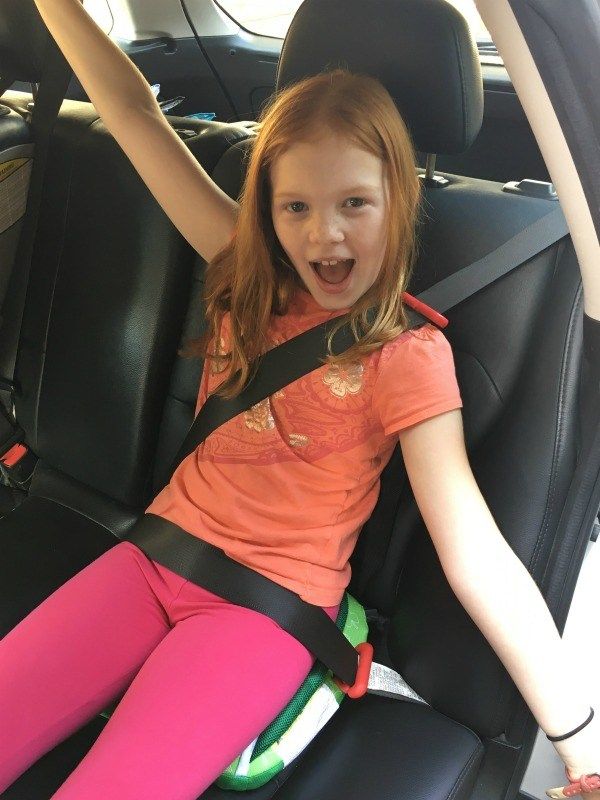
Even a minor crash can stress hidden parts of a child car seat. Microcracks, stretched webbing, or weakened latches may reduce protection, so follow replacement guidance.
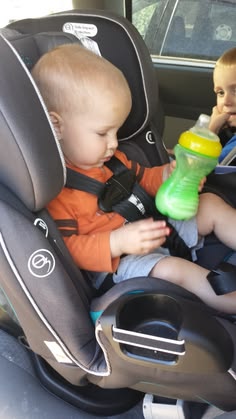
Often forgotten: pack child-safe meds, ID copies, a power bank, water, snacks, wipes, blankets, and a flashlight-then check sizes and expiry dates each season.

Rushed drop-offs, double parking, mid-lane exits, and ignored crosswalks create blind spots and sudden stops-common triggers for school parking lot accidents.
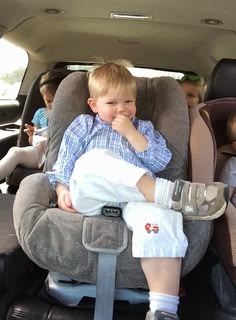
Prevent motion sickness in kids by seating them where they can see the road, offering light snacks, encouraging fresh air, and scheduling breaks. Avoid screens and heavy meals before long drives.
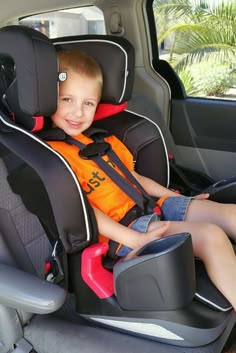
Plan ahead: secure car seats properly, schedule breaks every 2-3 hours, keep water and healthy snacks handy, and pack comfort items to help kids stay safe, calm, and rested.
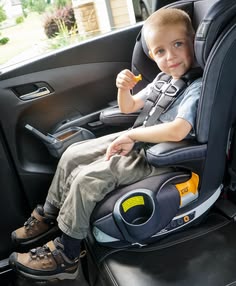
Improper car sleeping can let a child’s head slump forward, narrowing the airway. Loose straps or angled seats raise suffocation and injury risks, even on short trips.

Plan ahead: share your route, schedule breaks, keep snacks, water, first-aid kit, and child IDs within reach, and lock doors before every stop.
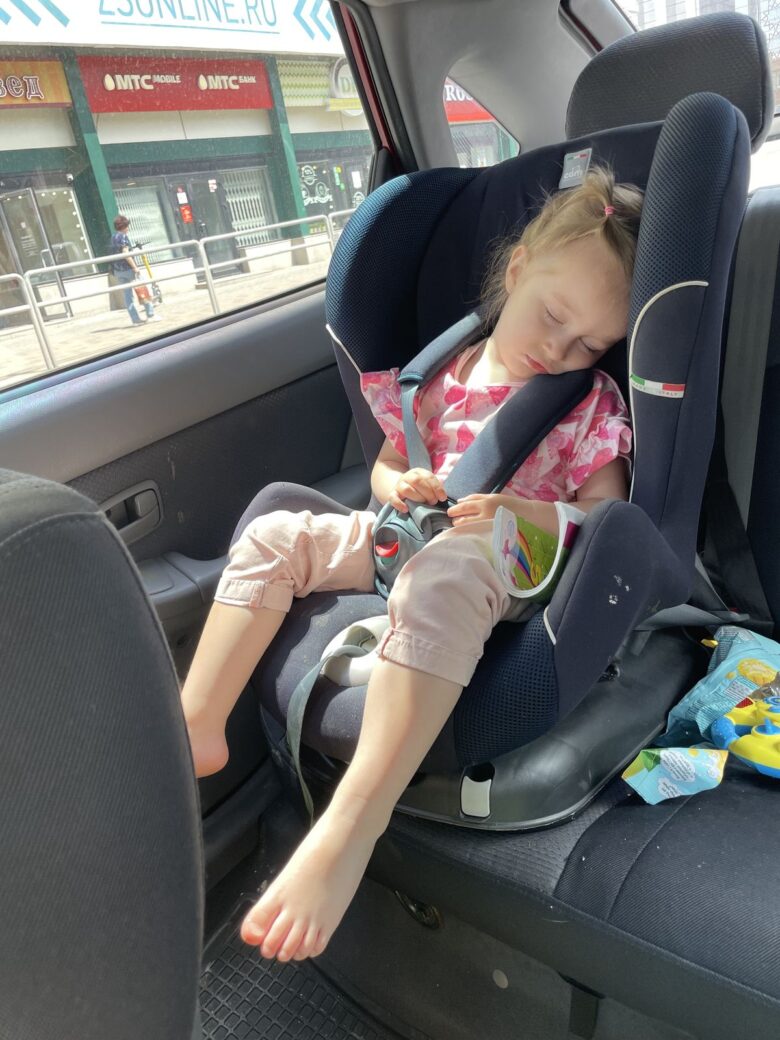
2026 backseat safety rules are tightening as crash data highlights risks for children and rear passengers, prompting updated guidance on restraints, belts, and age-appropriate seating.